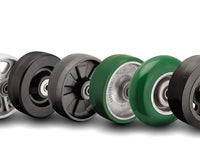

Industrial laboratories rely on specialized equipment that needs to be both mobile and stable. Whether it's cleanroom workstations, fume hoods, chemical transport carts, biosafety cabinets, medical research tables, or heavy-duty storage racks, having the right casters is essential for smooth operation, safety, and long-term performance. These labs often deal with sensitive instruments, hazardous materials, and strict hygiene protocols, which means that casters might be exposed to chemicals, frequent cleaning, and heavy loads. The right caster material and design can make a significant difference in durability, maneuverability, and contamination control.
The Best Choice
One of the best choices for industrial lab environments is stainless steel casters with nylon wheels, but depending on specific applications, there are other materials and wheel types that might be better suited. Here’s what to consider when selecting casters for your lab.
Stainless Steel Casters: The Gold Standard for Labs
 Industrial labs can deal with moisture, chemicals, and high-temperature environments. Standard carbon-steel casters can corrode, leading to equipment failure or contamination. Stainless steel casters are ideal because they offer:
-
Corrosion Resistance: Essential for labs that use strong cleaning agents or are exposed to moisture.
-
Sanitary Properties: Can withstand high-temperature cleaning and frequent washdowns.
-
Durability Under Heavy Loads: Ideal for lab carts carrying delicate but heavy equipment.
-
Temperature Tolerance: Performs well in cold storage and high-heat applications.
If your lab requires frequent sanitation or operates in humid conditions, stainless steel casters are a smart investment.
Nylon Wheels: Best for Chemical Resistance and Floor Protection
 The wheel material is just as important as the caster frame. Nylon wheels are a top choice for industrial labs because they provide:
-
Low Rolling Resistance: Moves smoothly even under heavy loads and will not flat spot.
-
Chemical and Solvent Resistance: Unlike rubber or polyurethane, nylon won’t degrade when exposed to most chemicals, oils, or cleaning solvents.
-
Non-marking and Floor Protection: Keeps lab floors clean and undamaged.
-
Moisture Resistance: Nylon does not absorb water, making it ideal for humid or damp environments.
However, nylon wheels are hard, which means they may not be the best choice for labs with uneven flooring or where noise reduction is a priority. In those cases, other wheel materials may be a better option.
Other Caster and Wheel Options for Industrial Labs
While stainless steel casters and nylon wheels are excellent choices for many labs, different applications may require other solutions:
Rubber Wheels for Superior Traction and Noise Reduction
 For labs where quiet operation is key, such as medical research facilities or hospitals, performance rubber wheels are an ideal solution as they provide:
-
Lower Noise Levels – Quieter than both nylon and polyurethane options.
-
Shock Absorption – Reduces vibrations that could disrupt sensitive equipment.
-
Excellent Traction – Ideal for smooth and slippery surfaces.
-
Cushioned Ride – Reduces impact on transported materials.
Polyurethane Wheels for Versatility
 For similar characteristics as nylon, but more color and price options, polyurethane wheels are a highly versatile solution as well. They offer:
-
Noise Reduction – Quieter than nylon wheels.
-
Floor Protection – Won’t scratch or dent delicate lab flooring.
-
Solid and Various Core Options – From solid construction (to prevent tread separation) to aluminum or polypropylene core options, polyurethane wheels offer a wide range of solutions for all capacities and performance requirements.
High-Temperature Casters for Extreme Conditions
For labs that use ovens, autoclaves, or operate in extreme temperatures, consider phenolic or forged steel wheels:
-

Phenolic Wheels – Can withstand temperatures up to 500°F, making them ideal for heat-exposed environments.
-
 Glass Filled Nylon / Polypropylene Wheels – Extremely durable, capable of handling high heat and heavy loads.
Selecting the Right Caster for Your Lab
Choosing the right caster for your industrial lab depends on several factors:
✔ Environment – Consider moisture, temperature, and chemical exposure.
✔ Load Capacity – Ensure the caster can support the weight of your equipment.
✔ Flooring Type – Hard floors may need softer wheels, while rougher surfaces require more durable materials.
✔ Noise Considerations – If sound levels matter, opt for polyurethane or rubber wheels.
At Caster Specialists, we offer a wide range of stainless steel casters, nylon wheels, and other lab-ready solutions to keep your work environment running efficiently. Whether you need casters for cleanroom applications, chemical transport, or precision medical equipment, we can help you find the right fit. Contact us today to find the best caster solutions for your industrial lab.